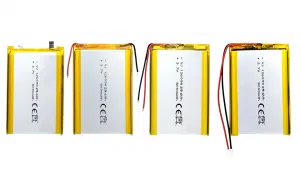
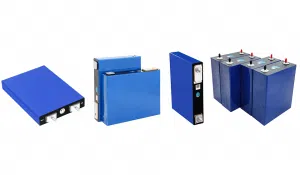
Lithium-ion batteries power many of the devices and systems people use every day. From smartphones and laptops to electric vehicles and renewable energy storage, lithium-ion batteries play an important role in modern life. Because they offer high energy density, long cycle life, and reliable performance, they have become one of the most widely used rechargeable battery technologies in the world.
What Are Lithium-Ion Batteries?
Lithium-ion batteries are rechargeable energy storage devices. They work by moving lithium ions between the cathode and the anode during charging and discharging. As a result, they can store and release electrical energy efficiently.
In addition, this battery technology is known for its lightweight design and compact structure. Therefore, manufacturers often choose it for portable electronics, electric mobility products, and advanced energy systems.
How Do Lithium-Ion Batteries Work?
Lithium-ion batteries operate through a reversible electrochemical process. During charging, lithium ions move from the cathode to the anode and remain there until the battery is used. During discharging, the ions move back to the cathode and generate electric current.
Because this process can be repeated many times, these batteries are both rechargeable and efficient. This is one reason they are widely used in consumer and industrial applications.
Key Benefits of Lithium-Ion Batteries
High Energy Density
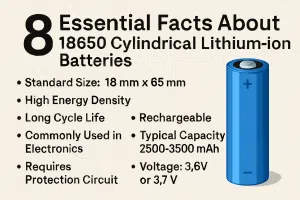
One of the biggest advantages of lithium-ion batteries is high energy density. They can store a large amount of energy in a relatively small and lightweight package. As a result, they are ideal for portable devices and space-limited applications.
Long Cycle Life
Another major benefit is long cycle life. With proper use and charging, many lithium-ion batteries can support hundreds or even thousands of charge cycles. Therefore, they provide reliable long-term performance.
Low Self-Discharge
Lithium-ion batteries also have a low self-discharge rate. This means they can retain their charge longer when not in use. Because of this, they are practical for devices that may stay idle for some time.
No Memory Effect
Unlike some older rechargeable battery types, lithium-ion batteries do not suffer from a strong memory effect. Users can recharge them more flexibly without significantly reducing performance.
Common Applications of Lithium-Ion Batteries
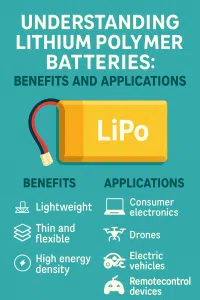
Lithium-ion batteries are used in many industries and products. For example, they are common in:
- Smartphones, tablets, and laptops
- Electric vehicles, e-bikes, and scooters
- Solar energy storage and backup power systems
- Power tools and portable electronics
- Medical equipment and smart devices
Because these applications require reliable and efficient power, this battery technology remains a preferred choice.
Battery Care Tips
Proper care can help improve battery life and safety. First, avoid exposing the battery to extreme temperatures. Second, use the correct charger recommended for the device. Third, avoid deep discharge whenever possible.
If the battery will not be used for a long period, store it in a cool and dry place with partial charge. Good maintenance habits can improve both lifespan and daily performance.
Why Lithium-Ion Batteries Matter
Lithium-ion batteries support the growth of portable electronics, electric transportation, and clean energy systems. In addition, they help manufacturers design lighter, smaller, and more efficient products. As technology continues to improve, these batteries will remain a key part of the modern world.
Conclusion
Lithium-ion batteries have changed the way people use energy in daily life and industry. Because they offer high energy density, long cycle life, and broad application compatibility, they continue to power the modern world. By understanding how lithium-ion batteries work and how to care for them, users can make better choices and get more reliable performance from their devices.