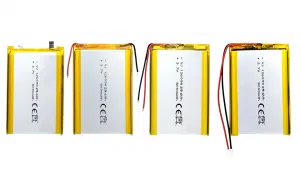
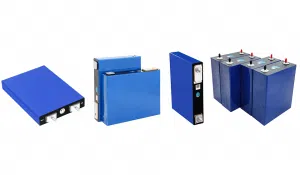
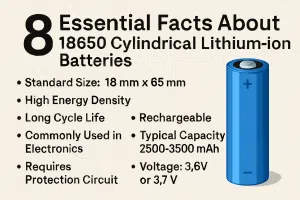
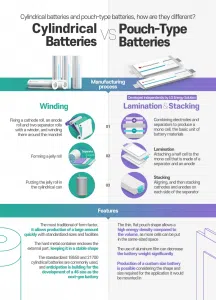
Lithium Polymer (Li-Po) batteries have become increasingly popular in recent years, especially in portable electronics, drones, and electric vehicles. Known for their lightweight design and flexible form factor, Li-Po batteries offer unique advantages over traditional lithium-ion batteries. In this article, we’ll explore what Li-Po batteries are, how they work, and their key benefits.
What Is a Lithium Polymer Battery?
Li-Po batteries are a type of rechargeable battery that uses a polymer electrolyte instead of a liquid electrolyte found in traditional lithium-ion batteries. This allows for a thinner, lighter, and more flexible battery design.
How Do Lithium Polymer Batteries Work?
- During charging, lithium ions move from the cathode to the anode through the polymer electrolyte.
- When discharging, the ions flow back to the cathode, generating electrical current to power devices.
Advantages of Lithium Polymer Batteries
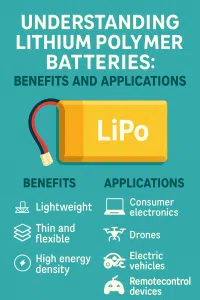
- Lightweight and Flexible: The polymer electrolyte allows for custom shapes and sizes, ideal for compact electronics.
- High Energy Density: Provide more power in a smaller volume compared to other battery types.
- Improved Safety: Less prone to leakage and rupture since they use solid or gel electrolytes.
- Low Self-Discharge Rate: Retain charge longer when not in use.
- Fast Charging: Support higher charge rates for quick power replenishment.
Common Applications
- Smartphones and tablets
- Drones and RC vehicles
- Wearable devices
- Electric bikes and scooters
- Portable power banks
Care and Maintenance Tips
- Avoid overcharging and deep discharging to prolong battery life.
- Store batteries in a cool, dry place.
- Use compatible chargers designed for Li-Po batteries.
- Inspect regularly for swelling or damage.
Conclusion
Lithium Polymer batteries combine flexibility, safety, and power, making them an excellent choice for a wide range of modern devices. Understanding their unique features can help you choose the right battery for your application and ensure safe, long-lasting performance.